Category: Manuals

canon rx100 manual

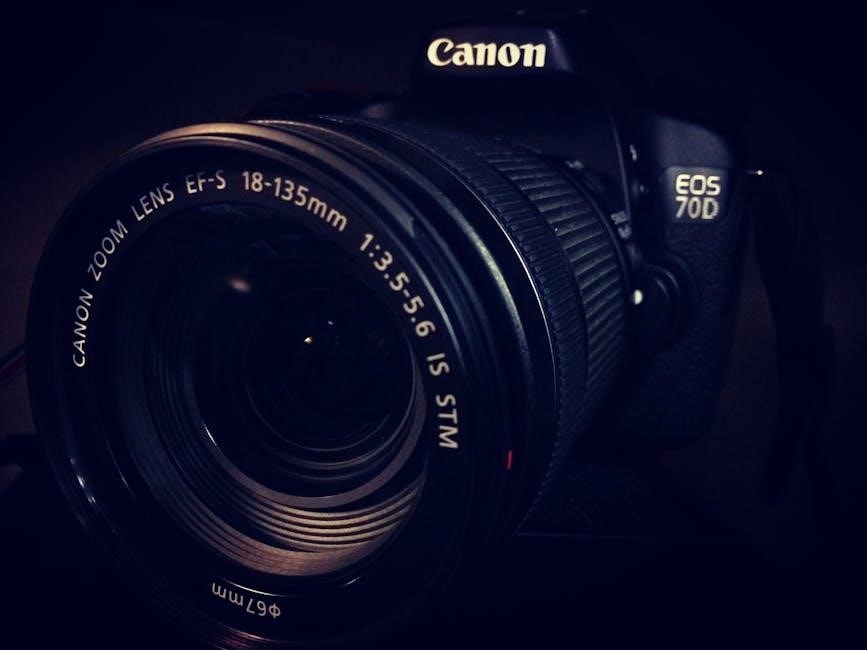
Welcome to the Canon RX100 Manual, your comprehensive guide to unlocking the camera’s full potential. This manual provides detailed instructions on operation, features, and troubleshooting to enhance your photography experience.

1.1 Overview and Purpose

The Canon RX100 manual is designed to provide photographers of all levels with a clear understanding of the camera’s operation. It covers both automatic and manual shooting modes, ensuring users can harness the camera’s full potential. This guide is tailored for beginners seeking to master basic functions and advanced photographers aiming to explore specialized features. The manual serves as a comprehensive resource, offering step-by-step instructions, troubleshooting tips, and insights into optimizing image quality. Whether capturing everyday moments or professional-grade shots, this manual empowers users to make the most of their Canon RX100.

Camera Specifications

The Canon RX100 features a 1.0-inch sensor, ISO range of 125-12800, and a 24-200mm lens. It supports 4K video and up to 20.1MP resolution, ensuring high-quality imagery.

2.1 Sensor, Processor, and Lens Details

The Canon RX100 is equipped with a 1.0-inch Exmor RS CMOS sensor, offering exceptional light capture and reduced noise. Paired with the BIONZ X image processor, it delivers fast performance and enhanced image quality. The lens features a versatile 24-200mm zoom range with an aperture of f/1.8-2.8, ensuring versatility for various shooting scenarios. Optical image stabilization is included, minimizing camera shake and blur, while the sensor’s back-illuminated design improves low-light performance, making it ideal for both stills and 4K video recording.

Key Features

The Canon RX100 boasts a 20.2MP 1-inch sensor, 24-70mm f/1.8-2.8 lens, and captures stunning images with 10fps continuous shooting. Its ISO range of 125-12800 ensures versatility in various lighting conditions.

3.1 Focus Modes

The Canon RX100 offers versatile focus modes to suit different photography needs. Single-shot AF (AF-S) is ideal for stationary subjects, while Continuous AF (AF-C) excels for moving subjects. Manual Focus (MF) allows precise control, and Automatic AF (AF-A) adapts to the scene. The camera also features focus peaking for manual focus assistance. These modes ensure sharp images in various conditions, from portraits to action shots, providing flexibility and precision for capturing life’s moments with clarity and creativity.

3.2 ISO Range and Shutter Speed

The Canon RX100 offers an impressive ISO range of 125–12800, expandable to 80–25600, ensuring high-quality images in low-light conditions. The shutter speed ranges from 30 seconds to 1/2000th of a second in manual mode, allowing for creative control over motion and blur. These features enable photographers to capture sharp, detailed shots in various lighting scenarios, from bright landscapes to indoor portraits. The camera’s flexibility in adjusting ISO and shutter speed makes it versatile for both casual and professional photography needs, delivering exceptional results across diverse settings.

Getting Started

Begin by unboxing and charging the battery. Insert the memory card, power on the camera, and navigate through the menu for basic setup and initial configuration.

4.1 Unboxing and Basic Setup

Unboxing your Canon RX100, you’ll find the camera, battery, charger, memory card, and USB cable. Start by charging the battery fully before first use. Insert the memory card into the slot, ensuring it’s compatible with the camera’s specifications. Power on the device and navigate through the initial setup menu to configure date, time, and language settings. Familiarize yourself with the camera’s buttons and dials, and refer to the manual for guidance on activating Wi-Fi or Bluetooth for wireless connectivity. Handle the camera and memory card carefully to avoid damage.

Shooting Modes

Explores the camera’s shooting modes, including Auto, PASM, Scene, and Movie modes, each designed for different photography needs and skill levels.

5.1 Auto, PASM, and Scene Modes

The Canon RX100 offers versatile shooting modes to cater to various photography styles. Auto Mode simplifies capture by automatically adjusting settings. PASM Modes (Program, Aperture Priority, Shutter Priority, Manual) provide creative control for enthusiasts. Scene Modes optimize settings for specific scenarios like portraits, landscapes, and sports. Each mode is designed to enhance image quality and user experience, ensuring capturing moments with precision and ease.

Customization

Customize your Canon RX100 to suit your preferences. Adjust button functions, create custom shooting modes, and save settings for quick access, enhancing your shooting efficiency and creativity.

6.1 Button Customization and Memory Recall

The Canon RX100 allows extensive button customization, enabling you to assign functions to specific buttons for personalized control. Users can reassign the lens ring, focusing buttons, and other controls to suit their preferences. Additionally, the camera features memory recall, letting you save up to three sets of custom settings for quick access. This flexibility enhances shooting efficiency and streamlines your workflow, ensuring you can focus on capturing moments without fumbling through menus. Customize your camera to match your unique shooting style and preferences for optimal performance.

Advanced Techniques

Explore advanced techniques like manual focus, RAW shooting, and custom functions to refine your photography skills and achieve professional-grade results with the Canon RX100.

7.1 Manual Focus and RAW Shooting

Master manual focus by using the lens ring or assignable buttons for precise control. RAW shooting captures uncompressed data, preserving detail for enhanced post-processing flexibility. Combine these techniques to achieve professional-grade results with the Canon RX100, ensuring sharper images and greater creative control over your photography.

Playback and Editing

Review your images on the LCD screen, zoom in for detail, and use built-in editing tools to crop, adjust brightness, and refine photos conveniently without a computer.

8.1 Image Review and Basic Editing

The Canon RX100 allows you to review images on its high-resolution LCD screen. Use the zoom feature to check details and ensure sharp focus. Basic editing tools enable cropping, brightness adjustments, and color enhancements directly on the camera. Protect your favorite shots from accidental deletion and organize them in folders. The intuitive interface makes it easy to navigate through images and apply quick edits. This feature is handy for making minor adjustments without needing a computer, ensuring your photos look their best before sharing.

Maintenance

Regularly clean the camera’s lens and LCD screen to maintain image quality. Update the software to ensure optimal performance and access new features. Proper care extends longevity.

9.1 Cleaning the Camera and Software Updates

Regular maintenance ensures optimal performance and longevity of your Canon RX100. Clean the lens and LCD screen with a soft, dry cloth to prevent smudges and scratches. Avoid using liquids, as they may damage the camera. For software updates, visit the official Canon website to check for the latest firmware. Download and install updates using a USB connection or Wi-Fi, following on-screen instructions carefully. Ensure the battery is fully charged before updating. Regular updates improve functionality and compatibility, keeping your camera up-to-date with the latest features.

Resources and Support

Explore official support, user communities, and detailed manuals for the Canon RX100.
Visit the Canon website for firmware updates, troubleshooting guides, and expert assistance to enhance your photography experience.

10.1 Official Support and User Communities

For the Canon RX100, official support is readily available through Sony’s website, offering manuals, firmware updates, and troubleshooting guides.
Join active user communities and forums to share experiences and gain insights from fellow photographers.
Access resources like the Sony Support page for direct assistance and expert advice.
Purchase paper copies of manuals from trusted sources if preferred.
Explore dedicated sections for the Cyber-shot DSC-RX100 series to stay updated on features and maintenance.

msa altair 4x manual

The MSA Altair 4X Multigas Detector is a portable, advanced device designed to assess exposure risks to combustible gases, oxygen levels, and specific toxic gases. It is intended for use by trained personnel to ensure workplace safety and features MSA XCell Sensor Technology for reliable gas detection.

1.1 Overview of the Device and Its Purpose

The MSA Altair 4X Multigas Detector is a portable, advanced device designed to detect multiple gases simultaneously, ensuring workplace safety. It measures combustible gases, oxygen levels, and specific toxic gases, providing real-time monitoring. This device is intended for trained personnel to assess potential hazards and ensure compliance with safety standards. Its robust design and MSA XCell Sensor Technology make it reliable for industrial and hazardous environments. The manual provides detailed guidance on operation, calibration, and maintenance to ensure optimal performance and user safety. Proper use of the device is critical for accurate gas detection and risk assessment.

1.2 Importance of Reading the Manual

Reading the MSA Altair 4X Multigas Detector manual is crucial for safe and effective operation. It provides essential information on device setup, calibration, and maintenance. Proper understanding ensures accurate gas detection, compliance with safety standards, and optimal performance. The manual also outlines troubleshooting steps and safety precautions to prevent hazards. Adhering to the guidelines is vital for warranty validity and ensuring the device functions as intended. Users must familiarize themselves with the manual to operate the detector confidently and safely in hazardous environments.

Safety Regulations and Precautions

The MSA Altair 4X Multigas Detector is designed for use by trained personnel only. Adherence to safety regulations is critical to prevent hazards and ensure accurate gas detection.

2.1 Correct Use of the Detector

The ALTAIR 4X Multigas Detector is designed for assessing potential worker exposure to combustible and toxic gases, as well as low oxygen levels. It should only be operated by trained and qualified personnel. The device is intended for hazard assessments in various environments, including confined spaces and areas with potential gas leaks. Always use the detector in accordance with the manufacturer’s instructions and safety guidelines to ensure accurate readings and personnel safety. Proper usage includes regular calibration and maintenance to maintain reliability and performance.

2.2 Safety Warnings and Precautions

Always follow safety guidelines when using the ALTAIR 4X Multigas Detector. The device is intended for trained personnel only. Ensure the detector is used in non-hazardous environments during calibration. Avoid exposing the device to extreme temperatures, chemicals, or physical damage. Never rely solely on the detector for life-saving decisions; use it as part of a comprehensive safety plan. Follow all warnings and instructions in the manual to ensure accurate readings and safe operation. Failure to comply may result in inaccurate measurements or device malfunction.

Features and Technical Specifications

The MSA Altair 4X Multigas Detector features advanced MSA XCell Sensor Technology, offering a 4-year sensor life and 3-year instrument warranty. It detects up to four gases simultaneously, including combustible gases, oxygen, and specific toxic gases, ensuring reliable monitoring in hazardous environments. The detector is designed for durability and ease of use, with lower maintenance costs and reduced calibration gas requirements compared to traditional sensors.

3.1 Detected Gases and Sensors

The MSA Altair 4X Multigas Detector is equipped to detect a wide range of gases, including combustible gases, oxygen, and specific toxic gases. It utilizes MSA XCell Sensor Technology, which provides exceptional reliability and a 4-year sensor life. The device can monitor up to four gases simultaneously, ensuring comprehensive hazard detection. Sensors are designed to detect combustible gases and vapors, oxygen-deficient or oxygen-rich atmospheres, and specific toxic gases such as carbon monoxide and hydrogen sulfide. This versatility makes it a robust tool for assessing workplace safety and ensuring compliance with safety standards.

3.2 MSA XCell Sensor Technology

The MSA XCell Sensor Technology is a cutting-edge innovation in gas detection, offering exceptional reliability and durability. Designed for the Altair 4X, these sensors provide a 4-year life and require less calibration gas, reducing maintenance costs. They deliver accurate and consistent readings across various environmental conditions, ensuring optimal performance. The technology also supports a 3-year instrument warranty, underscoring its robust design and durability; This advanced sensor technology enhances the detector’s ability to monitor multiple gases efficiently, making it a trusted solution for workplace safety and hazard assessment.

Installation and Setup

This section guides you through preparing the Altair 4X for its first use and configuring its settings properly. Follow the manual for safe and accurate operation.

4.1 Preparation for First Use

Before using the MSA Altair 4X Multigas Detector, ensure all components are included and undamaged. Carefully read the manual to understand device operation and safety protocols. Perform an inventory check of accessories like sensors, chargers, and calibration kits. Verify the device’s software and firmware are up-to-date. Conduct a visual inspection for any signs of damage or wear. Ensure the battery is fully charged and all sensors are properly installed. Familiarize yourself with the device’s controls and settings before proceeding to initial configuration.

4.2 Initial Configuration and Settings

Begin by powering on the Altair 4X and allowing it to boot up completely. Navigate to the settings menu to configure basic parameters such as gas types, alarm levels, and measurement units. Use the MSA Link software to customize settings like sensor configuration and data logging preferences. Ensure all sensors are recognized and functioning correctly. Refer to the manual for detailed instructions on setting up Bluetooth connectivity and other advanced features. Proper initial configuration ensures accurate gas monitoring and optimal device performance. Always follow the manual’s guidelines for precise setup and calibration procedures.

Operating the Altair 4X Detector

The Altair 4X detector is designed for continuous gas monitoring, providing real-time readings of combustible gases, oxygen levels, and specific toxic gases. Its intuitive interface ensures ease of use during field operations, with features like data logging and instant alerts for hazardous conditions. Refer to the manual for detailed operating procedures and guidelines to ensure accurate and safe gas detection in various environments.

5.1 Performing Gas Detection and Monitoring

The Altair 4X detector is designed to continuously monitor and detect combustible gases, oxygen levels, and specific toxic gases in real-time. Equipped with MSA XCell Sensor Technology, it provides accurate and reliable readings, ensuring worker safety in hazardous environments. The device features an intuitive interface for easy operation and includes an InstantAlert function to immediately notify users of dangerous conditions. It is capable of detecting multiple gas types simultaneously, making it a versatile tool for comprehensive gas detection and monitoring in industrial and confined-space applications.

5.2 Understanding the Display and Alerts

The Altair 4X features a clear LCD display showing real-time gas concentrations, alarms, and sensor status. Visual, audible, and vibration alerts notify users of hazardous conditions. The device uses distinct alarm levels to indicate gas concentration thresholds, ensuring immediate response. Icons and text on the display simplify interpretation, while the InstantAlert feature provides emergency notifications. The display also logs events for later review, aiding in monitoring and compliance. This intuitive system ensures users can quickly assess and respond to gas hazards, enhancing workplace safety and efficiency.

Maintenance and Calibration

Regular maintenance and calibration are essential for optimal performance. The Altair 4X requires field adjustments and calibration to ensure accuracy. Use MSA-approved calibration gas and follow procedures outlined in the manual. The device’s XCell Sensors have a 4-year life, reducing maintenance needs. Perform routine checks and replacements as specified to maintain reliability and compliance with safety standards.

6.1 Field Adjustment and Calibration Procedures

Field adjustment and calibration of the Altair 4X ensure accurate gas detection. Begin with zero calibration using clean air to set the baseline. Next, perform span calibration using MSA-approved calibration gas specific to the sensor type. Access the calibration mode via the menu, follow on-screen prompts, and allow the device to adjust. Ensure the detector is in a stable environment during calibration. Use MSA Link software for advanced adjustments. Always refer to the manual for detailed steps and timing requirements to maintain sensor accuracy and device reliability. Proper calibration ensures compliance with safety standards.

6.2 Regular Maintenance Requirements

Regular maintenance ensures the Altair 4X operates reliably. Clean the exterior with a soft cloth and mild detergent, avoiding sensors and openings. Check sensors for damage; replace if necessary. Perform functional tests monthly and after extreme environmental exposure. Use MSA-approved calibration gas and follow manual guidelines. Replace batteries as needed, adhering to charging instructions. Update software via MSA Link to maintain performance. Schedule annual professional servicing to verify accuracy. Proper care extends the device’s lifespan and ensures accurate gas detection, safeguarding user safety and compliance with safety regulations.

Troubleshooting Common Issues

The Altair 4X may experience sensor failure or display malfunctions. Use the MSA Link software to diagnose issues and perform recalibration. Regular maintenance resolves most problems.

7.1 Resolving Sensor and Display Issues

Sensor and display issues can arise due to exposure to high concentrations, extreme temperatures, or software glitches. Check sensors for contamination or damage; clean or replace them as needed. For display malfunctions, restart the device or update software via MSA Link. If issues persist, recalibrate sensors or reset factory settings. Severe damage may require professional servicing. Always refer to the manual for detailed troubleshooting steps to ensure accurate repairs and maintain optimal device performance.

7.2 Addressing Calibration and Functionality Problems

Calibration issues may arise if sensors are exposed to extreme conditions or if the device is not properly maintained. Perform a Field Adjustment and Span Calibration using certified gas mixtures if readings are inaccurate. Use the MSA Link software to configure settings and troubleshoot functionality. If problems persist, reset the device to factory settings or contact MSA support. Regular calibration ensures accurate gas detection and optimal device performance; Always follow the manual’s guidelines for resolving calibration and functionality issues to maintain reliability and safety in hazardous environments.

Accessories and Compatible Devices

The ALTAIR 4X supports various accessories, including the MSA Link software for data management and configuration. Bluetooth connectivity enables wireless communication with compatible devices for enhanced functionality and data logging.

8.1 Available Accessories for Enhanced Functionality

The ALTAIR 4X Multigas Detector is compatible with a range of accessories to enhance its functionality. These include the MSA Link software for data management and configuration, Bluetooth modules for wireless communication, and docking stations for streamlined calibration and charging. Additional accessories like carrying cases, chargers, and sensor replacement kits ensure optimal performance and convenience. These tools are designed to support users in maintaining device efficiency and extending its operational capabilities in various industrial environments.

8.2 MSA Link Software Integration

The MSA Link software enhances the functionality of the ALTAIR 4X Multigas Detector by enabling advanced configuration, data management, and device maintenance. It allows users to adjust settings, perform remote calibration, and analyze data logs. The software supports Bluetooth connectivity, enabling seamless communication between the detector and compatible devices. MSA Link also facilitates compliance tracking, record-keeping, and sensor configuration, making it an essential tool for optimizing detector performance and streamlining workplace safety protocols. Its user-friendly interface ensures efficient management of gas detection operations across various industrial applications.

The MSA Altair 4X Multigas Detector is a critical tool for ensuring workplace safety by detecting combustible gases, oxygen levels, and toxic gases. Its advanced features, including MSA XCell Sensor Technology, provide reliable and accurate gas detection. Proper training, maintenance, and use of the device are essential to maximize its performance and ensure compliance with safety standards. By following the guidelines outlined in this manual, users can effectively monitor hazardous environments, protect workers, and maintain operational integrity. Regular updates and integration with MSA Link software further enhance its functionality, making it a indispensable asset for industrial safety.