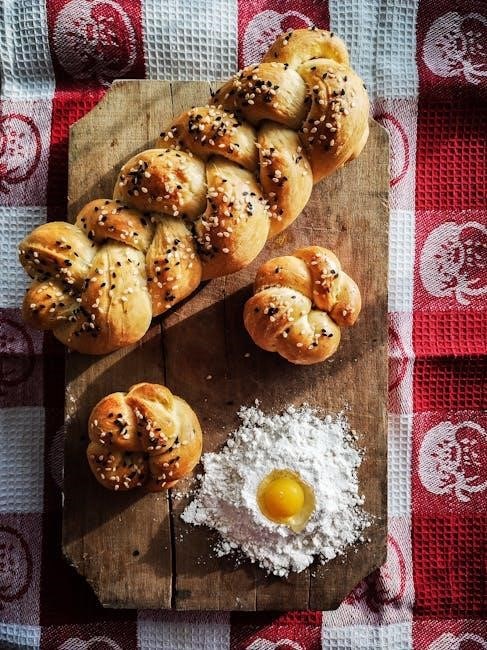
tour guide’s remark at the challah factory nyt
Article Plan: Tour Guides Remark at the Challah Factory NYT
This article dissects the popular New York Times crossword clue, “Tour guides remark at the challah factory?”. We’ll explore the solution, “Thatsadoughbraider”, its origins, and cultural context.
The New York Times crossword has a knack for blending linguistic challenges with cultural touchstones, and the clue “Tour guides remark at the challah factory?” perfectly exemplifies this. Appearing on May 19th and 20th, 2024, this eighteen-letter puzzle stumper captivated solvers, prompting a flurry of online discussion. The solution, “Thatsadoughbraider,” is a clever pun that relies on both auditory association and knowledge of the Challah Factory’s unique offerings.
This article delves into the intricacies of this particular clue, examining its wordplay, historical roots, and the surprisingly vibrant world of the Challah Factory itself. We’ll unpack why this seemingly niche reference resonated so strongly with a broad audience of crossword enthusiasts, highlighting the puzzle’s enduring appeal.
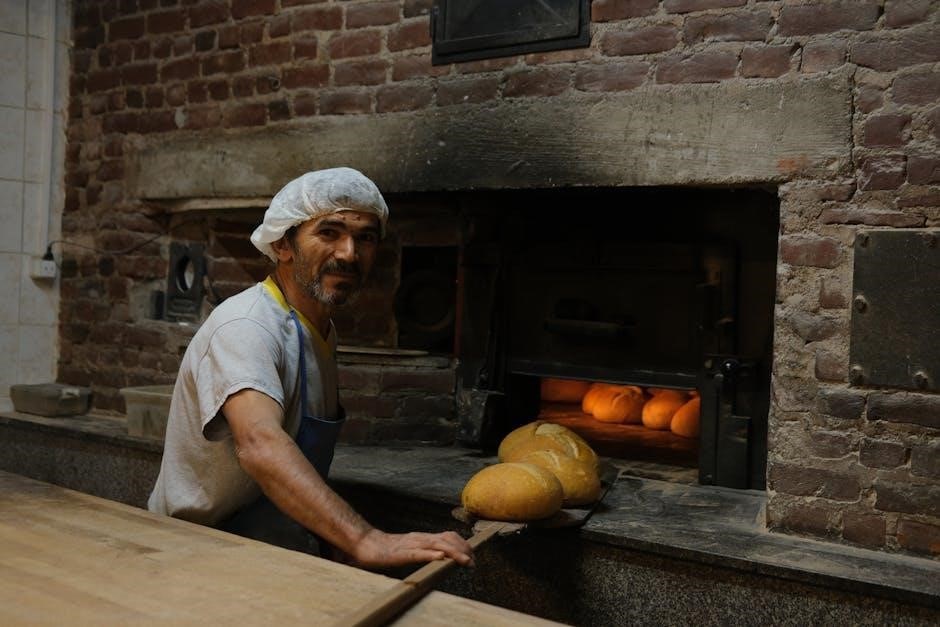
The NYT Crossword and Cultural Clues
The NYT crossword frequently incorporates cultural references, testing solvers’ knowledge beyond vocabulary. This clue exemplifies how food and local businesses become puzzle fodder.
The Clue Explained
The crossword clue, “Tour guides remark at the challah factory?” presented a unique challenge to solvers on May 19th and 20th, 2024. It’s a clever play on words, relying on a pun rather than direct knowledge. The phrasing suggests an observation made by tour guides during visits to a challah factory, hinting at a humorous or witty comment.
Crucially, the clue’s length – eighteen letters – immediately narrows down potential solutions. Crossword constructors intentionally use length as a significant constraint. The question mark is a standard convention indicating a playful or indirect definition, signaling solvers to think creatively beyond literal interpretations. It’s a test of linguistic agility and cultural awareness, demanding a connection between the bakery setting and a recognizable phrase.
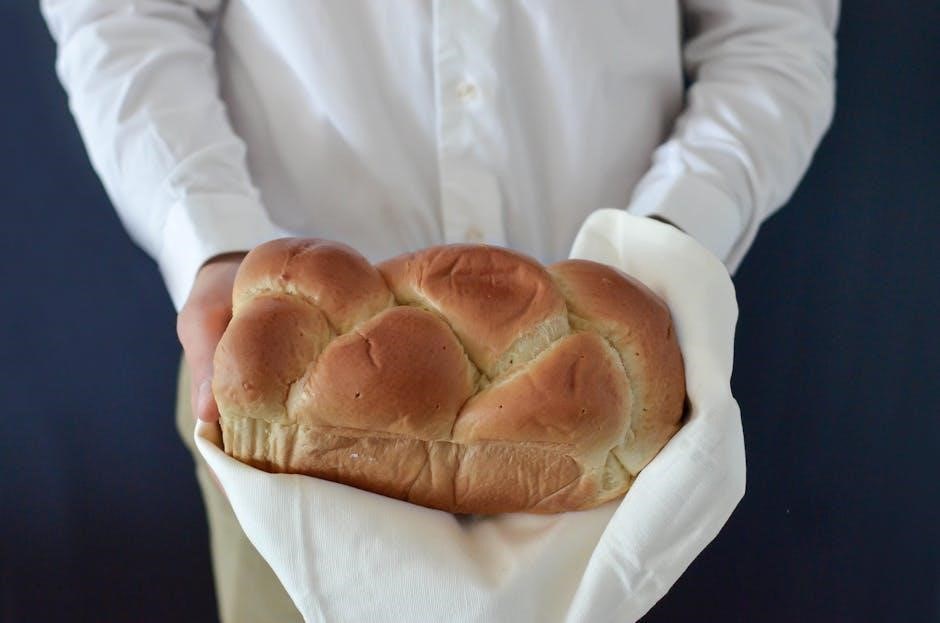
Decoding “Tour Guides Remark at the Challah Factory?”
Unraveling this NYT crossword clue requires recognizing a pun. The answer isn’t about actual tour guide commentary, but a clever phrase built on wordplay.
The Solution: “Thatsadoughbraider”
The answer to the New York Times crossword clue, “Tour guides remark at the challah factory?”, is undeniably “Thatsadoughbraider.” This eighteen-letter solution is a playful combination of words, cleverly constructed to fit the clue’s deceptive nature. It’s a pun, referencing the phrase “That’s a doughy braider,” implying someone skilled at braiding challah dough.
The brilliance lies in its unexpectedness. Crossword solvers aren’t looking for a literal tour guide statement, but a linguistic twist. The clue’s wording intentionally misdirects, leading solvers down a path of considering actual tour commentary before revealing the witty, pun-based answer; It’s a testament to the crossword’s ability to blend knowledge with clever wordplay.
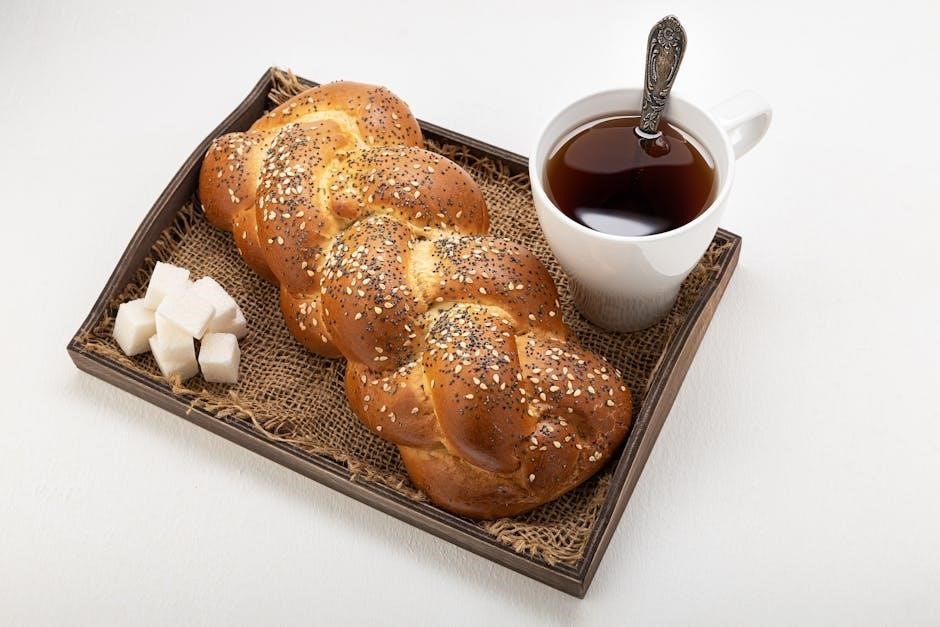
Unpacking the Answer
“Thatsadoughbraider” isn’t merely a solution; it’s a linguistic construction. The phrase relies on a homophone and a clever association with challah braiding techniques.
Origin of the Phrase
The brilliance of “Thatsadoughbraider” lies in its playful construction, a portmanteau born from wordplay. It’s a homophonic pun, sounding exactly like “That’s a doughy braider,” a remark a tour guide might genuinely make observing someone attempting to braid challah dough. The phrase isn’t a pre-existing idiom or common saying; its creation is specifically attributed to the crossword puzzle’s constructor.
This cleverness highlights the NYT crossword’s penchant for inventive solutions. It’s not about recalling established knowledge, but rather about lateral thinking and recognizing the potential for linguistic manipulation; The phrase’s novelty contributes significantly to its memorability and the solvers’ satisfaction upon discovering it. It’s a testament to the art of crafting a truly engaging and rewarding puzzle clue.
The History of “Thatsadoughbraider”
“Thatsadoughbraider” debuted in the May 19, 2024, New York Times Crossword, quickly gaining notoriety for its ingenuity and challenging, yet satisfying, solution.
Challah Factory Context
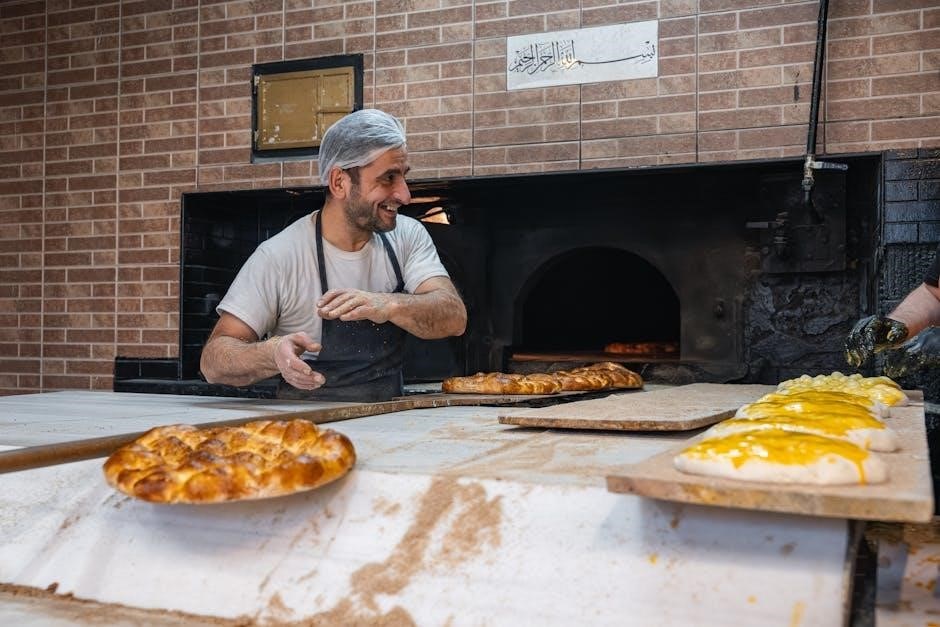
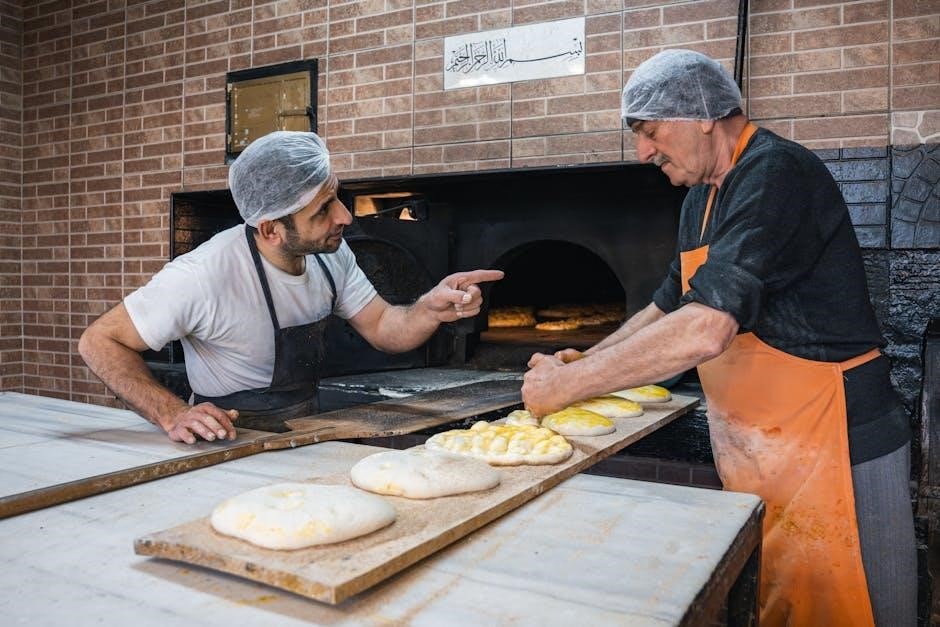
The Challah Factory, a New York City institution, offers immersive tours showcasing the traditional bread-making process. These tours are known for their informative and often humorous commentary from the guides. The clue cleverly plays on the visual aspect of challah – its braided dough – and the potential for a tour guide to make a pun.
Visitors witness firsthand the artistry involved in creating this special Jewish bread, learning about its cultural significance and the techniques passed down through generations. The factory’s popularity and unique tour experience make it a fitting subject for a crossword clue, especially one relying on wordplay and observation. The clue’s success hinges on solvers recognizing this specific location and its associated imagery.
The Challah Factory: A Unique Tour Experience
The Challah Factory provides an immersive look into traditional bread-making, complete with engaging guides and a focus on the cultural importance of challah.
Tour Guide Commentary
Tour guides at the Challah Factory skillfully blend education with humor, creating a memorable experience for visitors. Their commentary isn’t just about the baking process; it’s about the history, traditions, and symbolism woven into each loaf of challah. They likely share anecdotes about the factory’s origins and the dedication to maintaining authentic recipes.
The guides’ ability to deliver a witty remark – the source of the crossword clue – demonstrates their playful engagement with the tour group. It’s a clever observation that highlights the visual aspect of braiding dough, turning a simple process into a pun-worthy moment. This playful interaction is a key element of the factory’s charm and appeal.
What Tour Guides Actually Say
Guides likely discuss challah’s significance, the braiding process, and the factory’s history, occasionally injecting playful remarks about the “dough braider” aspect for a chuckle.
The Humor and Wordplay
The brilliance of “Thatsadoughbraider” lies in its clever pun, a delightful collision of observation and linguistic dexterity. It’s a play on the phrase “that’s a doughy braider,” referencing the skilled individuals who meticulously braid the challah dough. The humor stems from the unexpected twist – transforming a descriptive statement into a seemingly proper name.
This type of wordplay is a hallmark of NYT crosswords, appealing to solvers who enjoy a mental challenge and appreciate subtle wit. The clue doesn’t simply ask for knowledge; it demands a creative leap, a willingness to consider alternative interpretations. It’s a satisfying “aha!” moment when the connection clicks, making the solution particularly rewarding. The clue’s success hinges on this playful ambiguity.
Why This Clue Resonated with NYT Crossword Solvers
The clue’s popularity stemmed from its challenging difficulty, clever wordplay, and the satisfying “aha” moment it provided solvers, sparking widespread discussion online.
Crossword Difficulty and Popularity
The New York Times Crossword consistently balances accessibility with challenge, attracting a broad audience of puzzle enthusiasts. This particular clue, “Tour guides remark at the challah factory?”, proved notably difficult for many solvers, requiring a blend of linguistic skill and cultural awareness. Its 18-letter solution, “Thatsadoughbraider,” isn’t a common phrase, increasing the puzzle’s complexity.
However, this difficulty contributed to its popularity. Solvers relished the mental workout and the eventual triumph of cracking the code. The clue generated significant online discussion, with solvers sharing their thought processes and eventual breakthroughs. This collaborative aspect enhances the crossword experience, fostering a sense of community among players. The clue’s cleverness and unique nature further fueled its widespread appeal.
The Clue’s Placement in the NYT Puzzle
Appearing on May 19th and 20th, 2024, the “Challah Factory” clue was strategically placed within the NYT crossword, testing solvers’ wit and vocabulary skills.
Cultural Significance of Challah
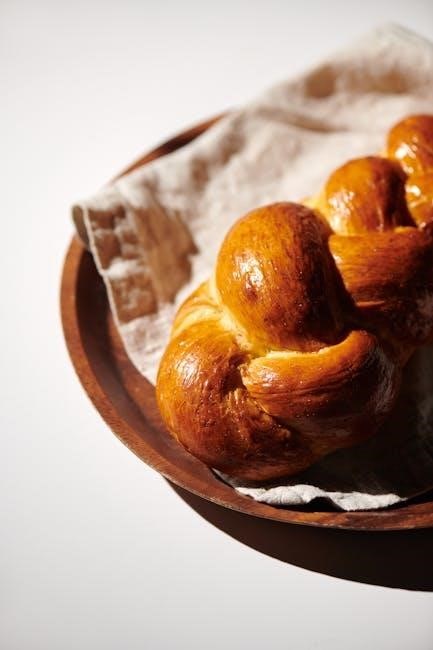
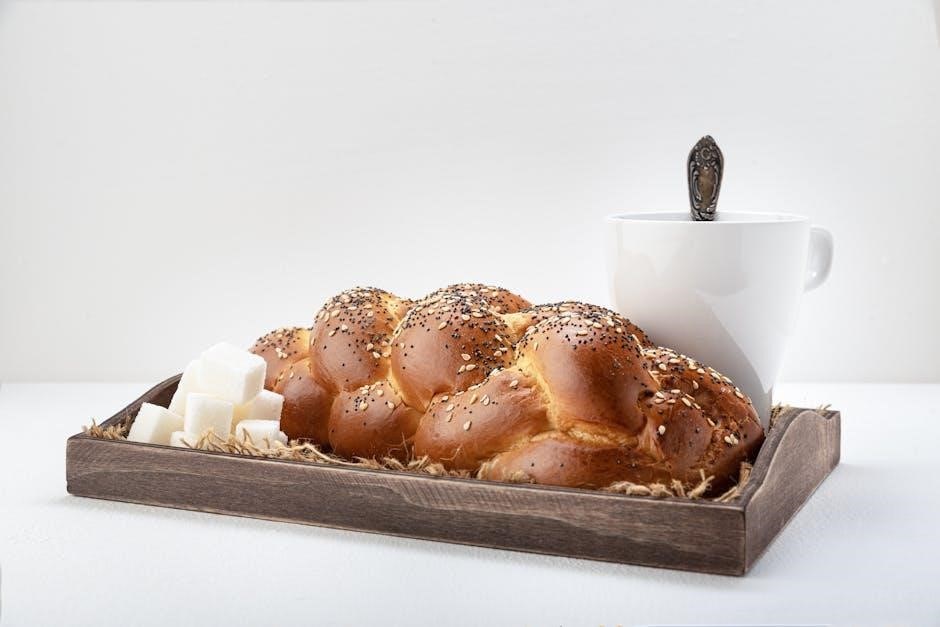
Challah holds a deeply rooted significance within Jewish tradition, extending far beyond a simple bread. Traditionally enjoyed on Shabbat and Jewish holidays, its braided form symbolizes love, unity, and remembrance. The practice of covering the challah with a cloth on the table represents respect and reverence for God’s provision.
Beyond religious observance, challah has become a cultural icon, representing Jewish identity and culinary heritage. Its presence in broader society signifies inclusivity and shared traditions. The Challah Factory, therefore, isn’t merely a bakery; it’s a tangible link to centuries of history and a vibrant expression of cultural continuity, making the crossword clue particularly resonant for many solvers.
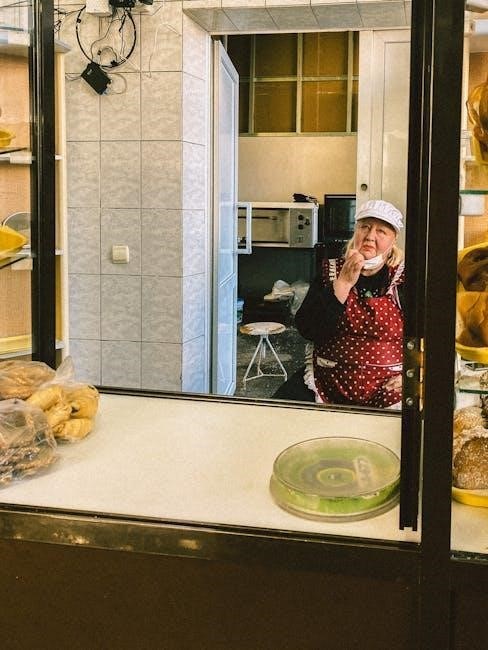
Challah in Jewish Tradition and Beyond
Challah’s importance extends from Shabbat observance and holidays to a broader cultural symbol of Jewish identity and culinary heritage, deeply resonating with solvers.
The Role of Food in Puzzles
Food frequently appears in crossword puzzles, offering a rich source of clues due to its cultural significance and diverse vocabulary. From specific dishes like challah to broader categories like cuisine types, food-related clues tap into universal experiences and knowledge. This makes them accessible yet challenging, appealing to a wide range of solvers.
The “Challah Factory” clue exemplifies this trend, leveraging a specific food item within a playful context. Food clues often rely on wordplay, puns, and cultural references, enhancing the puzzle’s entertainment value. They can also introduce solvers to new culinary terms or traditions, expanding their understanding beyond the puzzle itself. The inherent familiarity with food makes these clues engaging and memorable.
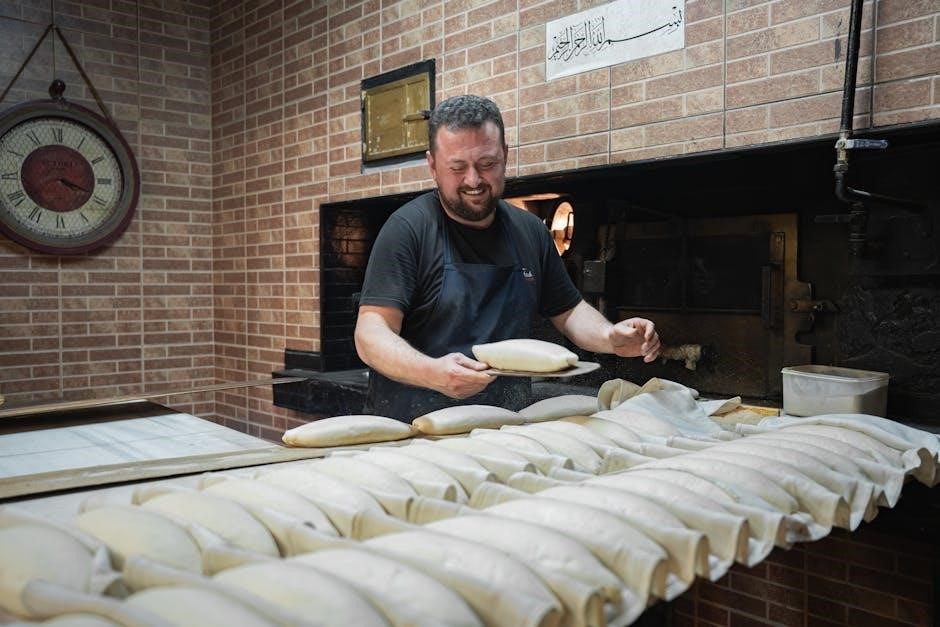
Food-Related Clues in Crosswords
Crosswords often utilize food as subject matter, employing puns and cultural references. This tactic engages solvers with familiar terms and playful linguistic twists.
Future of NYT Crossword Clues
The New York Times Crossword is continually evolving, and future clues will likely reflect current cultural trends and internet phenomena even more prominently. Expect increased integration of meme culture, viral videos, and contemporary slang. Clues, like “Thatsadoughbraider,” demonstrate a shift towards wordplay that requires a broader understanding of popular culture beyond traditional knowledge.
Puzzle constructors are increasingly leveraging the collaborative nature of online communities, potentially incorporating user-submitted phrases or inside jokes. The balance between challenging difficulty and accessibility will remain crucial, ensuring the crossword remains engaging for both seasoned solvers and newcomers. We might also see more clues referencing niche food experiences, building on the success of the challah factory example.
Predicting Trends in Puzzle Design
Future puzzles will likely feature more culturally relevant clues, blending wordplay with contemporary references, mirroring the success and cleverness of “Thatsadoughbraider.”
The “Thatsadoughbraider” clue exemplifies the New York Times crossword’s enduring appeal – a delightful intersection of linguistic ingenuity and cultural awareness. It’s more than just a puzzle; it’s a snapshot of shared knowledge and a celebration of clever wordplay. The clue’s success demonstrates how deeply ingrained food, and specifically challah, is within cultural understanding.
This particular puzzle demonstrates the NYT’s ability to craft clues that are challenging yet solvable, sparking conversation and rewarding solvers with a satisfying “aha!” moment. The enduring popularity of crosswords lies in this unique blend of mental exercise and cultural connection, promising continued innovation and enjoyment for puzzle enthusiasts for years to come.
The Enduring Appeal of Wordplay and Culture
The fascination with clues like “Tour guides remark at the challah factory?” highlights a broader cultural phenomenon: our love for puzzles that demand both linguistic skill and general knowledge. The NYT crossword, in particular, thrives on this intersection, consistently presenting clues that require solvers to think creatively and draw upon a diverse range of references.
This isn’t simply about finding the right answer; it’s about the journey of discovery, the “aha!” moment when the pieces fall into place. The clue’s success speaks to the power of wordplay to engage and entertain, while simultaneously reinforcing cultural understanding and expanding vocabulary.